
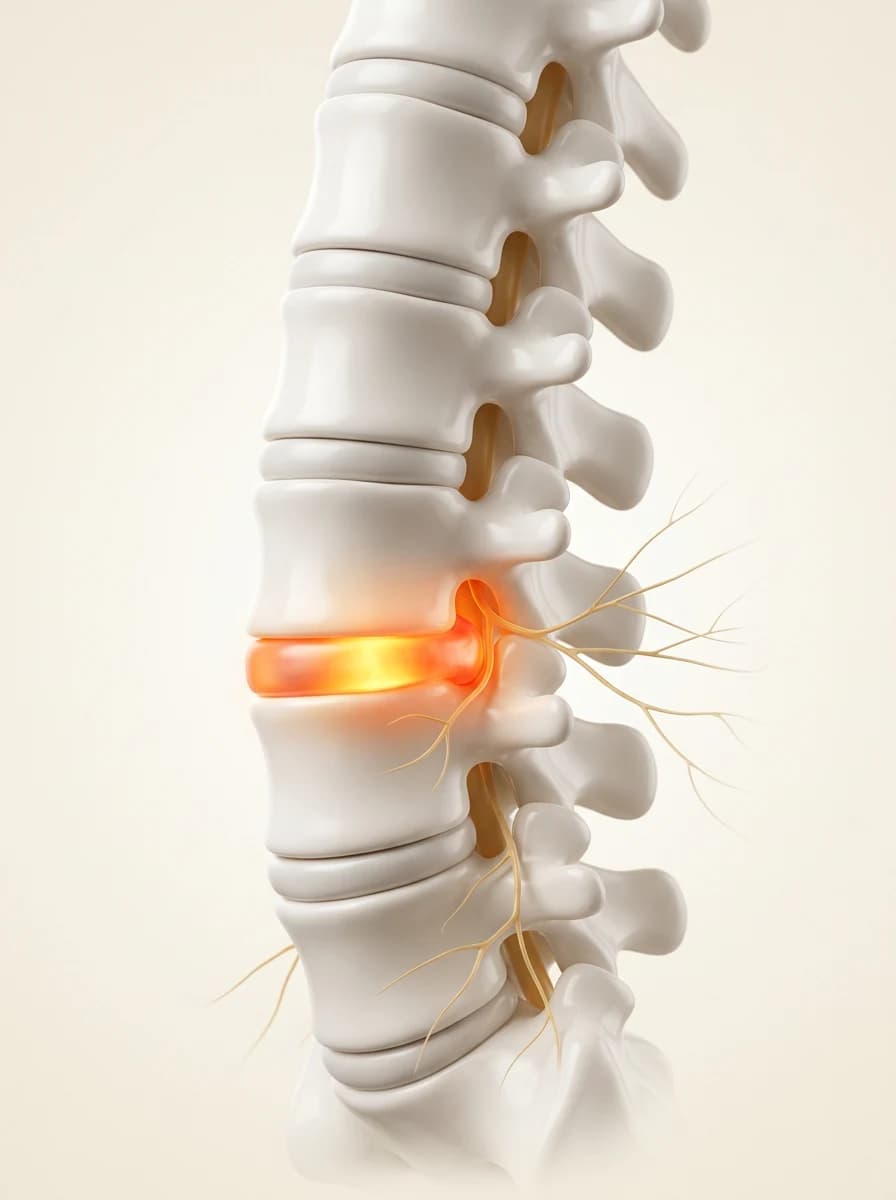
Find The Root Cause
We identify what's causing your disc pain through advanced assessment and diagnostics.
Herniated & Bulging Disc Treatment in Miami Lakes
Expert Chiropractic Care
Reviewed by Dr. Denis Chang, DC — Nov 3, 2026
Target the source of your pain. Reduce disc pressure, restore movement, and get back to the life you love with personalized, non-invasive care. If your disc injury followed a collision, start with our car accident injury care page.
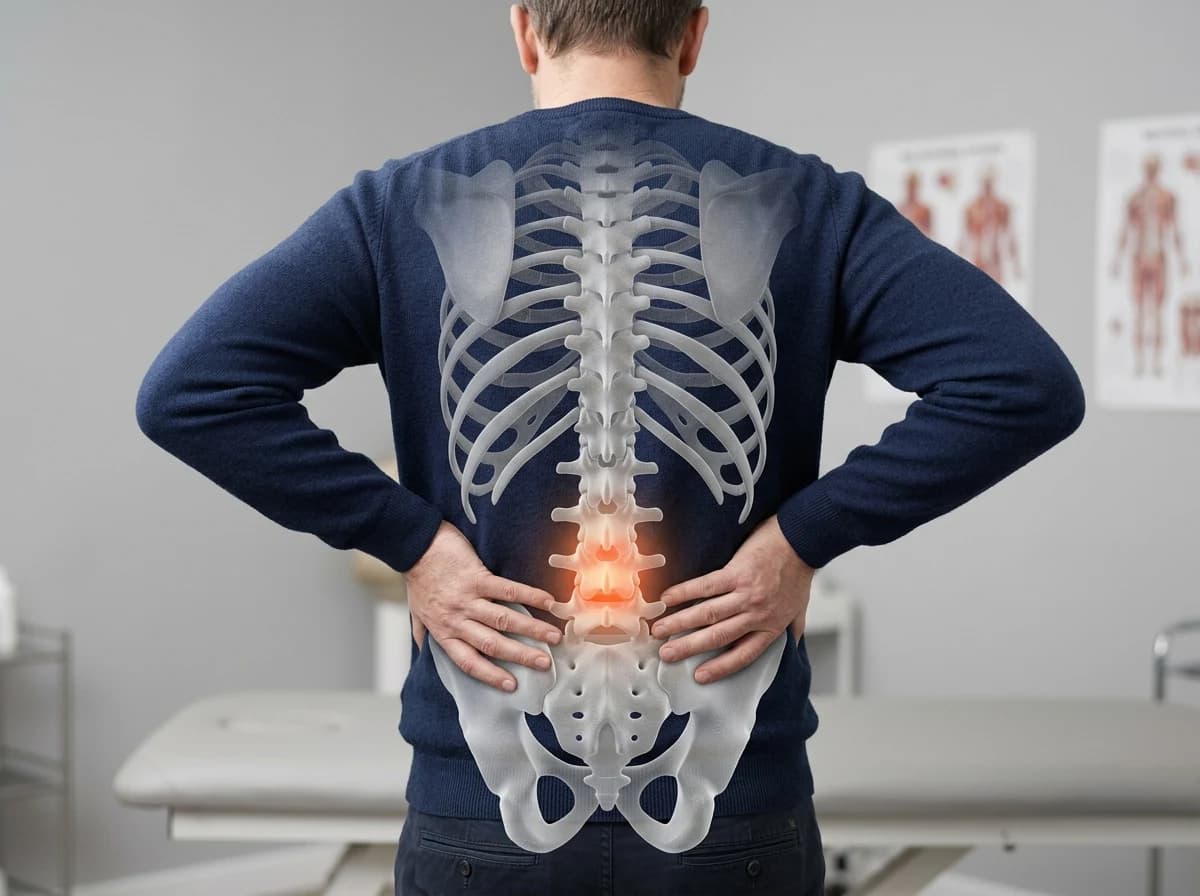
Our Disc Care System
The plan looks at the pain you feel and the disc pressure behind it, and it is meant to support how the spine moves.
We identify what's causing your disc pain through advanced assessment and diagnostics.
Gentle, targeted techniques help relieve pressure on the disc and surrounding nerves.
We restore mobility and function so you can move with confidence again.
Personalized strategies and lifestyle guidance help keep your spine healthy long-term.

Our chiropractic team is here to help you escape the pain and get back to moving more comfortably—naturally.
Schedule Your AppointmentUnderstanding Disc Injuries
Occurs when the inner gel-like material pushes through a tear in the outer layer. This can irritate nearby nerves and cause pain, numbness, or tingling.
Common Causes:
A condition where discs lose hydration and flexibility over time, which can cause pain, stiffness, and reduced mobility.
Common Causes:
How We Can Help
Reduce pain and inflammation
Relieve pressure on spinal discs and nerves
Improve mobility and spinal alignment
Support natural healing without surgery
Personalized care plans for long-term results
Our goal is simple: to help you move better, feel better, and live better.
Understanding the disc
Each disc sits between two vertebrae. It has a tougher outer ring and a softer center. A bulging disc extends outward past the edge of the vertebra, usually across a wide part of the disc, while the outer ring still holds the center in. A herniated disc is more focal: the outer ring has a tear or weak spot, and inner disc material pushes through it. People sometimes say “ruptured disc.” “Slipped disc” is a common phrase, but the disc does not slip out of place.
Either finding can irritate a nearby nerve, and either can show up on an image in someone who has no pain. The label on a report does not, by itself, say how much it bothers you or what care fits.
Symptoms depend on which disc is involved and whether a nerve is irritated. People report:
Pain in a leg or arm does not prove a disc is the cause. Sciatica and a pinched nerve can feel similar and have other sources.
At the Miami Lakes office, the visit starts with your history and a physical exam: where symptoms travel, what changes them, and checks of strength, reflexes, and sensation. That exam is what tells us whether a disc is a likely part of the picture.
Digital X-rays show bone alignment and the height of the disc spaces. They do not show the disc material or the nerve. We use them when the pictures would change the plan, not on every visit. If the exam suggests a closer look at the disc or nerve itself, we talk through outside imaging, such as an MRI, rather than guessing from an X-ray.
After the exam, two different tables are sometimes discussed. Non-surgical spinal decompression uses a motorized table to unload a specific disc level. Intersegmental traction is a roller table that mobilizes joints along the spine. They are not the same treatment, and neither is surgery.
Either may be considered when a disc or joint-motion problem fits the exam and there is no reason to avoid the table. They are not used when urgent medical care is needed, and they are not a match for every disc problem. The visit is where that decision is made.
Loss of bowel or bladder control, numbness in the groin or inner thighs, or weakness that is getting worse needs urgent care the same day. Call emergency services or go to an emergency department. Do not wait for a chiropractic appointment.
For many herniated and bulging disc cases, Dr. Chang considers non-surgical spinal decompression as part of a conservative plan, using our Chattanooga and DOC tables. Whether it fits depends on where the disc is, your symptoms and your exam. See decompression vs. surgery.
Frequently Asked Questions
A herniated disc occurs when the soft inner material of a spinal disc pushes through its outer layer, pressing on nearby nerves. This can cause back pain, numbness, or weakness. At Optimize Health Chiropractic Center in Miami Lakes, FL, Dr. Denis Chang provides natural, non-surgical herniated disc treatment.
Common causes include aging, repetitive strain, poor posture, heavy lifting, or trauma. At Optimize Health Chiropractic Center, we help patients in Miami Lakes identify the root cause and use chiropractic care to relieve pain and restore proper spinal alignment.
Yes, chiropractic care can help reduce pain, inflammation, and nerve irritation caused by a herniated disc. At Optimize Health Chiropractic Center, Dr. Denis Chang uses spinal adjustments and decompression therapy to help patients in Miami Lakes heal naturally without surgery.
Symptoms may include sharp back pain, tingling, numbness, sciatica, or weakness in the arms or legs. At Optimize Health Chiropractic Center, we evaluate each patient in Miami Lakes, FL, to design an effective treatment plan.
Treatment may include chiropractic adjustments, spinal decompression therapy, corrective exercises, and posture training. At Optimize Health Chiropractic Center, we create customized herniated disc treatment plans that may help symptoms ease for longer.
Yes, most herniated discs can heal naturally with proper care. Chiropractic and decompression treatments at Optimize Health Chiropractic Center help relieve pressure on the disc and promote healing for patients in Miami Lakes.
The cost of herniated disc treatment depends on your condition and recommended care plan. At Optimize Health Chiropractic Center, we offer affordable non-surgical options so patients in Miami Lakes can find relief without costly procedures.

Meet Your Chiropractor
Dr. Chang specializes in spinal health and helping patients relieve pain, restore function, and live healthier lives.
Learn MoreTake the first step. Care may help symptoms ease for longer.
How we treat it
Related conditions
Next steps